Arteta v Alonso, part one: a desire for control and the theory behind the chaos | Jonathan Wilson

Mikel Arteta and Xabi Alonso prepare for an intriguing tactical battle in the first Premier League meeting between old friends
Control v chaos. On the one hand, the forces of order, regimented, playing in precise patterns and, on the other, something darker, more visceral, a method that acknowledges the imperfection of the human soul, the unknowability of football in all its randomness; better, that second way says, to attempt to ride the fury than to believe it might be harnessed.
When it began, a decade ago, that’s how the Pep Guardiola v Jürgen Klopp rivalry appeared. Apollo v Dionysius. Two fundamentally opposed ways of seeing the world. But in time, the two crept towards each other. Klopp moved away from the heavy metal of his Borussia Dortmund years to something more conservative. Guardiola experimented in multiple directions, slowly abandoning the possession-oriented idealism of his past to something less radical but also less predictable.
The temptation, after the first two weeks of the season, is to cast Mikel Arteta and Xabi Alonso in a similar light. Arsenal are yet to concede a goal. They dominated the Community Shield from the first minute, beat a shambolic Manchester City 3-0 and gave the sense that they could easily have won more comprehensively had they been minded to do so. They were no more troubled in beating Coventry by the same scoreline in their opening league game and, while they were rather less dominant, they were still extremely comfortable against Aston Villa on Monday and had been slowly increasing the pressure when Bukayo Saka gave them the lead just before the hour.
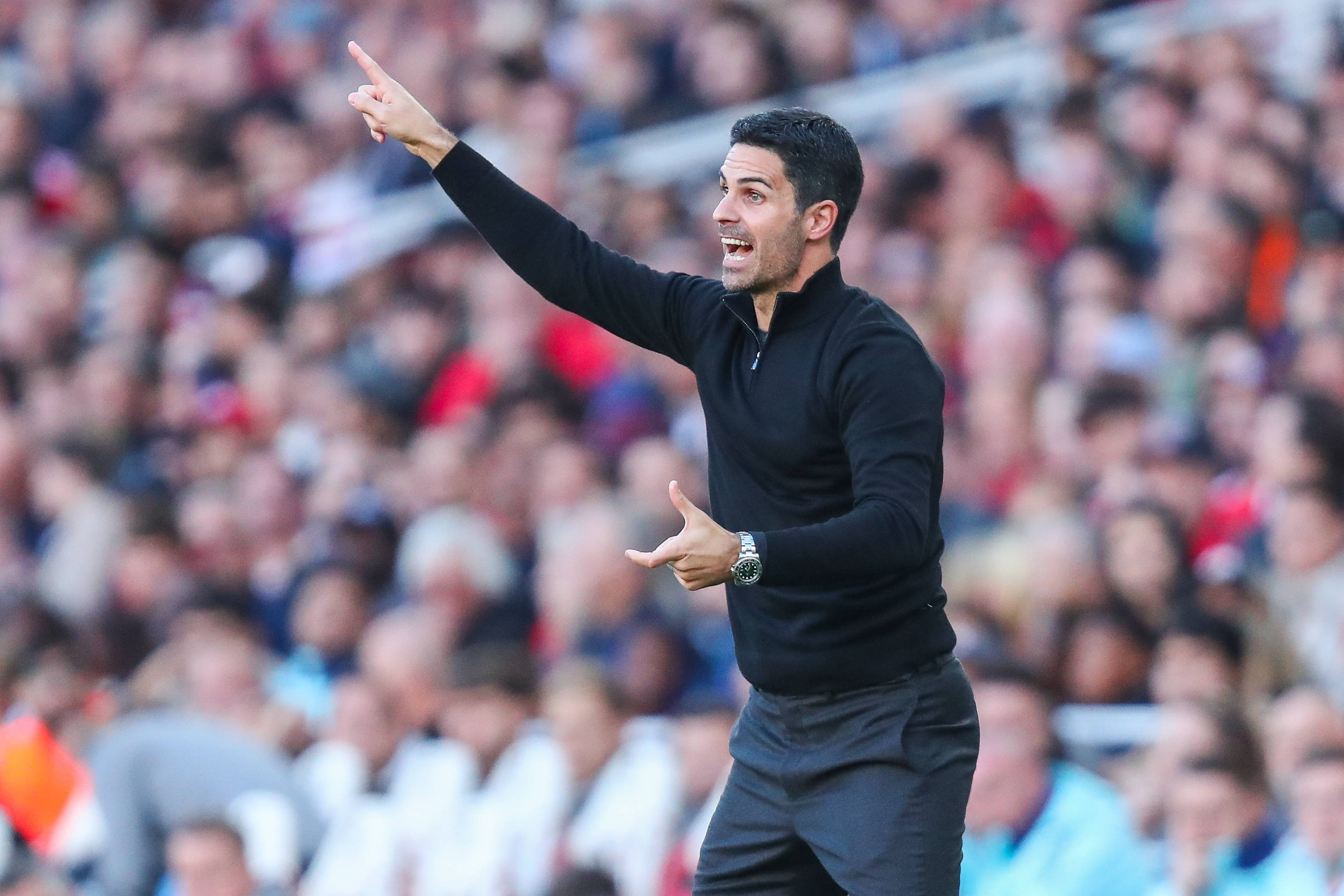
Arteta has become more controlling over his seven years at Arsenal, not just in his micromanagement but in his demands from his team. Tactical plans are sophisticated and negotiable only in the final details. In their third successive season of finishing second he spoke repeatedly of the need to reduce, to zero if possible, the xG of the opposition. If they have no chances, they cannot score, and if they do not score, they cannot win.
Last season it was a refrain heard less often; Arsenal did reduce their opponents’ opportunities, conceding seven goals fewer than they had the previous season. There were those who criticised them on aesthetic grounds, bemoaning their reliance on set plays and occasional bouts of excessive pragmatism, but it worked. They were the best team and they won the league, in the end, fairly comfortably. All else is taste, subjective.
Might, it will be asked, there be a more expansive approach this season? Might, with the burdens of yearning and doubt lifted, the insistence on control lessen? Might this be a breezier, a freer and easier, Arsenal? Might that even make them more effective in Europe, more capable of beating Paris Saint-Germain?
Probably not. Arsenal played as they did in the Champions League final out of necessity, not choice. They were exhausted. Only three PSG players had played more than 2,000 minutes in the league last season; nine Arsenal players had – and given the relative strengths of the Premier League and Ligue 1, theirs were harder minutes. In such circumstances an open game is impossible.
Accepting the role played by fatigue, in fact, has been one of Arsenal’s great strengths; last summer’s business was characterised by the accumulation of squad depth over acquisition of the very highest quality. This summer has been about upgrading where possible. They’ve seemingly done that well in midfield and at the back, although losing three players who can operate from the left wing while signing only Christos Tzolis seems a risk, even with Max Dowman likely to be more involved. It’s possible, likely even, that a more relaxed outlook will allow Arsenal to play with a greater freedom but it would be a surprise if the tactical emphasis were not still on control.
Chelsea’s case is more complex; the sense of chaos of Alonso’s opening two games has surely not been deliberate. He is no Kloppite; his heritage is of John Toshack and Rafa Benítez, Vicente Del Bosque and Guardiola. Like Arteta, four months his junior, he came through the youth ranks at Antiguoko in San Sebastián; they are not so different in their formation. When Alonso won the league at Bayer Leverkusen, they had 62% possession. Although they pressed hard, they were not part of the high-tempo, high-turnover Bundesliga trend. Yet in beating Fulham 3-2, Chelsea had 38% possession, and in beating Brighton 4-3 they had only 26%.
Game state is partly responsible. In both games, Chelsea had the lead early and could afford to allow their opponents the ball. The front three of João Pedro, Cole Palmer and Morgan Rogers have excelled playing on the break. There have been glimmers of the sort of interactions Leverkusen produced, the modifications that prevent Alonso’s 3-4-2-1 from experiencing the blockishness that means the formation is more often a tool for counterattacking sides, most notably when Maxence Lacroix advanced from central defence to set up Rogers’ goal against Fulham. But they take time to develop; perhaps the idea for now, as patterns are assimilated, is to lean into the basic simplicity of shape, the security the two screening midfielders in front of the back three should offer.
The problem is, it hasn’t yet worked – although that may in part be down to personnel. Having sold Enzo Fernández without signing another central midfielder, though, Chelsea look short in midfield (in as much their bloated squad can look short of anything). If Roméo Lavia can remain fit, and if Reece James’s minutes can continue to be rationed, the issue should not be insoluble, but Moisés Caicedo’s knee problem complicates things, especially with Alonso seemingly unwilling yet to trust the 22-year-old Argentinian Valentín Barco from the start. Without Caicedo, that is not a midfield that is going to create much, and may struggle even with ball retention.
It’s possible that on Sunday, in a game Chelsea are not expected to win, it is easier to maintain shape and discipline, that a destructive pairing works more naturally. Only by making the game a midfield slog to be decided by which team’s forward line can best exploit breakdowns can Chelsea feel they have an edge. That may end up looking like control against chaos, like possession against turnovers. It may even be so. But for Alonso that is a matter less of ideology than of expediency.